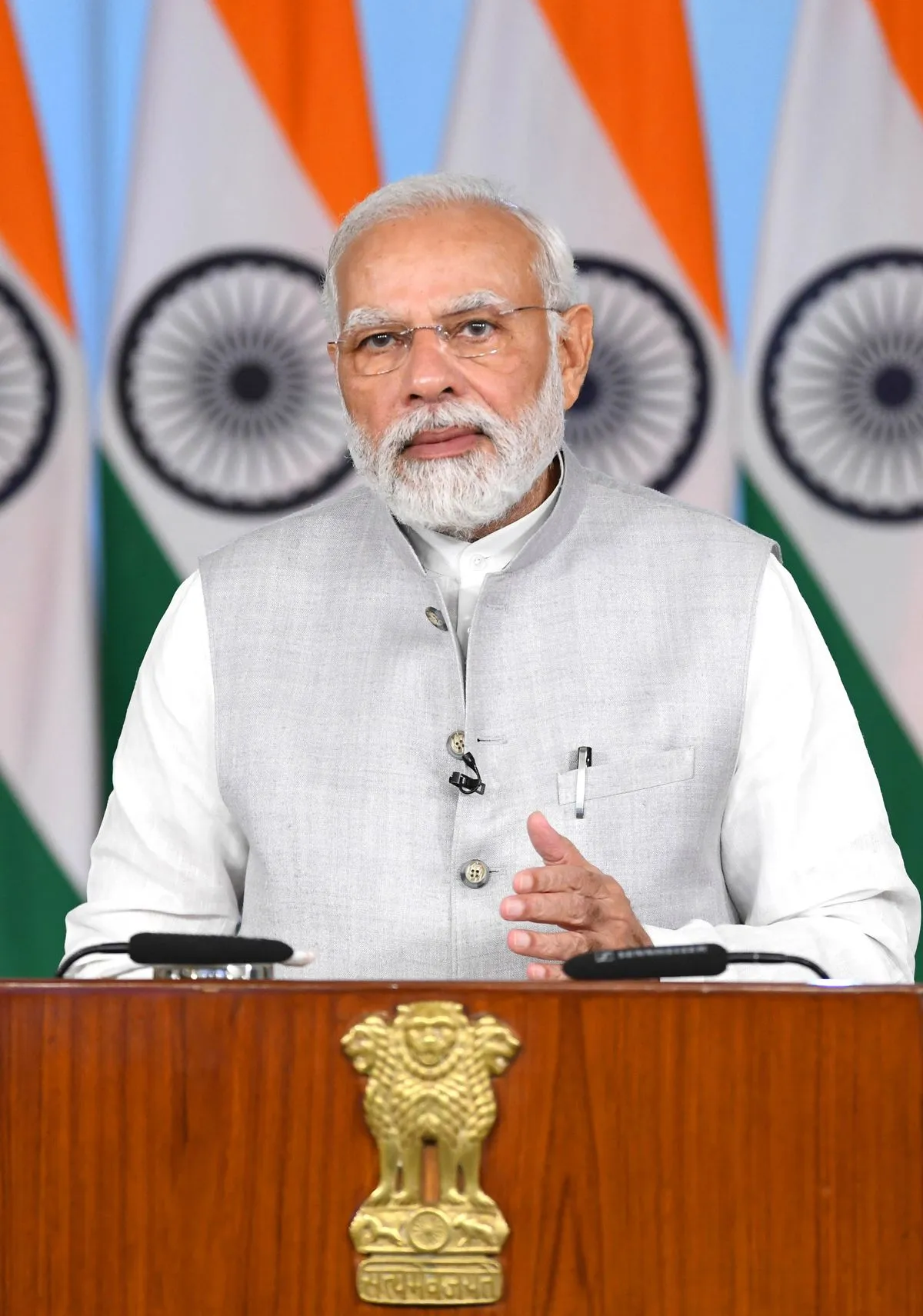
Prime Minister Narendra Modi has released a new late-night video message expressing gratitude to students and young people for their constructive and positive responses. The video follows closely after his earlier announcement of measures to tackle examination paper leaks, including the creation of fast-track courts and a stronger legal framework. The communication reflects an effort to engage directly with the concerns of India’s student community amid ongoing discussions about the integrity of competitive examinations.
Context of the Video Message
The latest video comes one day after the Prime Minister outlined concrete steps to address the problem of paper leaks. In that earlier message, he announced the decision to establish fast-track courts aimed at ensuring swift and stringent punishment for those involved in leaking examination papers. He also indicated that the government would strengthen the legal provisions dealing with such offences.
Paper leaks have emerged as a significant source of anxiety for students preparing for high-stakes examinations. These incidents undermine the principle of fair competition and create uncertainty for aspirants who invest years of effort. The government’s recent statements seek to reassure students that the issue is being treated with seriousness and urgency.
Key Points from the Prime Minister’s Message
In the new video, the Prime Minister specifically thanked youngsters for watching the previous message and for sharing insightful and constructive suggestions. He acknowledged the scale of the response and expressed appreciation for the manner in which students engaged with the issue. The tone of the communication was one of dialogue rather than unilateral announcement.
By highlighting the “constructive” nature of the feedback, the message signals that the government is open to input from the student community. It positions the conversation as a two-way process in which the concerns and ideas of young people are being heard and valued.
The Broader Issue of Examination Paper Leaks
Examination paper leaks have affected several competitive tests in recent years, leading to cancellations, delays, and widespread frustration. For students, especially those from less privileged backgrounds, these incidents represent more than administrative failures. They threaten years of preparation and the hope of social and economic mobility through education.
The announcement of fast-track courts is intended to address one of the most common complaints: the slow pace of investigation and prosecution. By creating specialised courts, the government aims to ensure that cases are heard and decided more quickly, thereby increasing deterrence. A tougher legal framework is expected to raise the cost of engaging in such crimes.
Student Concerns and the Demand for Systemic Reform
Beyond individual cases, students and education experts have called for systemic improvements. These include better security protocols for question paper handling, greater use of technology to reduce human intervention, and stronger accountability mechanisms for examination authorities. The constructive suggestions referenced by the Prime Minister likely include ideas along these lines.
Many aspirants have also sought clearer communication from authorities when irregularities occur, as well as fair provisions for affected candidates. The video response indicates an awareness that policy announcements alone are insufficient without sustained engagement with those most affected.
Significance of Direct Communication
Late-night video messages have become a distinctive feature of the Prime Minister’s communication style. They allow him to speak directly to citizens, bypassing traditional media filters and reaching audiences on social media platforms where young people are highly active. The choice to follow up within a day of the original announcement suggests an intent to maintain momentum and demonstrate responsiveness.
For students, such direct outreach can create a sense of being acknowledged. At the same time, the effectiveness of these messages will ultimately be judged by the speed and impact of the measures that follow. Announcements of fast-track courts and stronger laws will need to be matched by timely implementation and visible results.
Challenges in Restoring Trust
Restoring confidence in the examination system requires more than legal changes. It demands consistent, transparent, and professional administration of tests. Students need assurance that their efforts will be evaluated fairly and that the system will not be compromised by vested interests.
Implementation of fast-track courts will require coordination between the central government, state authorities, and the judiciary. Defining the exact scope of the new legal provisions, ensuring adequate resources for investigation agencies, and monitoring outcomes will be critical. Public communication about progress will also help sustain trust.
The Role of Technology and Administrative Reform
Many experts advocate greater use of technology to minimise the risk of leaks. Digital question paper delivery systems, biometric authentication, and real-time monitoring are among the solutions being discussed. Strengthening the institutional capacity of examination bodies and reducing excessive dependence on a small number of high-stakes tests are longer-term structural issues that also require attention.
The constructive suggestions received from students may contain practical ideas in these areas. Incorporating feasible recommendations into policy design would demonstrate that the feedback loop is genuine.
Looking Ahead
The sequence of the two video messages—first announcing measures and then thanking students for their response—frames the issue as a shared concern between the government and the youth. It positions the fight against paper leaks as a priority linked to the future of the country’s young people.
Whether this communication translates into lasting improvement will depend on follow-through. Students will look for concrete timelines, transparent processes, and measurable reductions in the incidence of leaks. Continuous engagement, rather than one-time announcements, is likely to be necessary.
Conclusion
Prime Minister Narendra Modi’s late-night video thanking students for their constructive responses adds a layer of dialogue to the government’s efforts against examination paper leaks. Coming immediately after the announcement of fast-track courts and a stronger legal framework, the message seeks to acknowledge the concerns of aspirants and signal openness to their ideas.
The problem of paper leaks strikes at the heart of fairness in education and opportunity. Addressing it effectively requires both firm legal action and systemic reforms that reduce vulnerabilities. By engaging directly with students and recognising their suggestions, the government has taken a step toward building confidence. The real test will lie in the speed, seriousness, and sustained impact of the measures that now follow.
wellnessfitgo wellnessfitgo wellnessfitgo wellnessfitgo wellnessfitgo wellnessfitgo wellnessfitgo wellnessfitgo wellnessfitgo wellnessfitgo wellnessfitgo wellnessfitgo wellnessfitgo wellnessfitgo wellnessfitgo wellnessfitgo wellnessfitgo wellnessfitgo wellnessfitgo wellnessfitgo wellnessfitgo wellnessfitgo wellnessfitgo wellnessfitgo wellnessfitgo wellnessfitgo wellnessfitgo wellnessfitgo wellnessfitgo wellnessfitgo wellnessfitgo wellnessfitgo wellnessfitgo wellnessfitgo wellnessfitgo wellnessfitgo wellnessfitgo wellnessfitgo wellnessfitgo wellnessfitgo wellnessfitgo wellnessfitgo wellnessfitgo wellnessfitgo wellnessfitgo wellnessfitgo wellnessfitgo wellnessfitgo wellnessfitgo wellnessfitgo wellnessfitgo wellnessfitgo wellnessfitgo wellnessfitgo wellnessfitgo wellnessfitgo wellnessfitgo wellnessfitgo wellnessfitgo wellnessfitgo wellnessfitgo wellnessfitgo wellnessfitgo wellnessfitgo wellnessfitgo wellnessfitgo wellnessfitgo wellnessfitgo wellnessfitgo wellnessfitgo wellnessfitgo wellnessfitgo wellnessfitgo wellnessfitgo wellnessfitgo wellnessfitgo wellnessfitgo wellnessfitgo wellnessfitgo wellnessfitgo wellnessfitgo wellnessfitgo wellnessfitgo wellnessfitgo wellnessfitgo wellnessfitgo wellnessfitgo wellnessfitgo wellnessfitgo wellnessfitgo wellnessfitgo wellnessfitgo wellnessfitgo wellnessfitgo wellnessfitgo wellnessfitgo wellnessfitgo wellnessfitgo wellnessfitgo wellnessfitgo wellnessfitgo wellnessfitgo wellnessfitgo wellnessfitgo wellnessfitgo wellnessfitgo wellnessfitgo wellnessfitgo wellnessfitgo wellnessfitgo wellnessfitgo wellnessfitgo wellnessfitgo wellnessfitgo wellnessfitgo wellnessfitgo wellnessfitgo wellnessfitgo wellnessfitgo wellnessfitgo wellnessfitgo wellnessfitgo wellnessfitgo wellnessfitgo wellnessfitgo wellnessfitgo wellnessfitgo wellnessfitgo wellnessfitgo wellnessfitgo wellnessfitgo wellnessfitgo wellnessfitgo wellnessfitgo wellnessfitgo wellnessfitgo wellnessfitgo wellnessfitgo wellnessfitgo wellnessfitgo wellnessfitgo wellnessfitgo wellnessfitgo wellnessfitgo wellnessfitgo wellnessfitgo wellnessfitgo wellnessfitgo wellnessfitgo wellnessfitgo wellnessfitgo wellnessfitgo wellnessfitgo wellnessfitgo wellnessfitgo wellnessfitgo wellnessfitgo wellnessfitgo wellnessfitgo wellnessfitgo wellnessfitgo wellnessfitgo wellnessfitgo wellnessfitgo wellnessfitgo wellnessfitgo wellnessfitgo